Frozen Pipes: How to Prevent, Thaw, and Avoid Pipe Bursts
How to Prevent and Thaw Frozen Pipes to avoid Costly Winter Pipe Bursts By: NSP Plumbing December 15, 2025 How
By: NSP Plumbing
December 4, 2025
NSP Plumbing has extensive experience installing and servicing tankless water heaters across West Michigan. We work with these systems daily, so we understand exactly how they affect energy use and what homeowners can realistically expect on their utility bills. One of the most common questions we answer is whether a tankless water heater will increase electricity costs. The short answer is no. Tankless systems are usually more efficient and often lower your annual utility expenses.
Â
Traditional water heaters constantly heat and reheat a large tank of water so it is ready whenever you turn on a faucet. That constant cycling wastes energy throughout the day and night. Tankless water heaters eliminate that problem by heating water only when you need it. This design avoids standby heat loss and delivers reliable hot water on demand, which leads to efficiency gains between 8 and 34 percent depending on the model and household.
Â
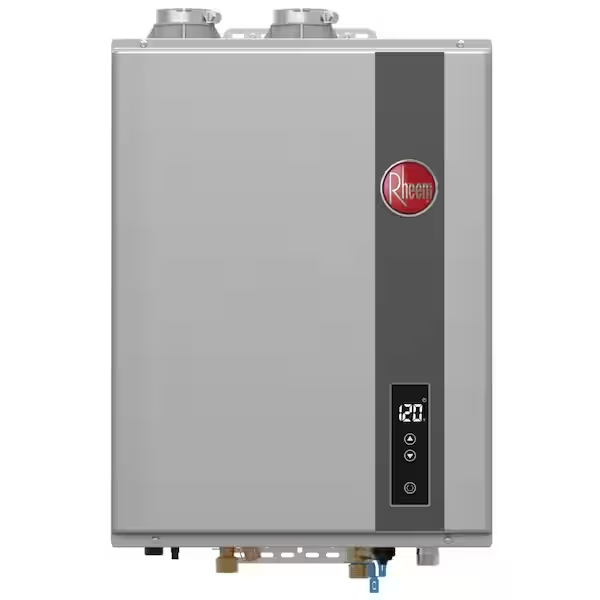
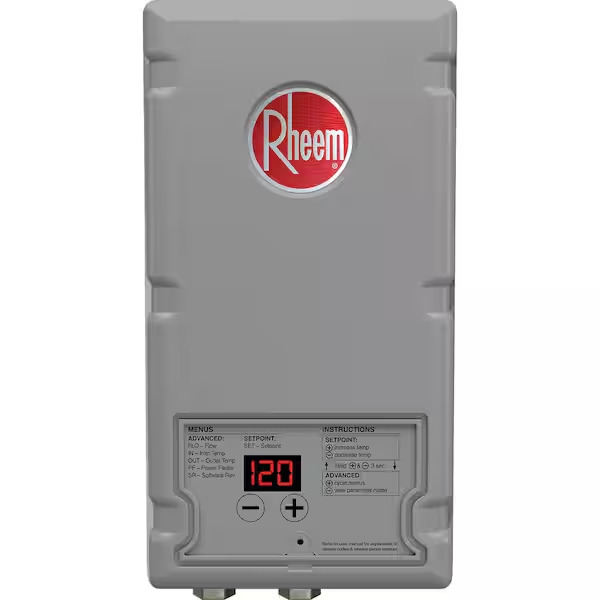
There are two main types of tankless water heaters available today: electric and gas. Both provide on-demand hot water and eliminate the need for a storage tank, but they operate differently and come with their own installation requirements, performance limits, and long-term operating costs.
The electricity use of a tankless system varies from home to home. Factors such as the number of occupants, the number of bathrooms, how often multiple fixtures run at once, and the temperature of incoming groundwater all influence energy consumption. Michigan homes experience colder incoming water during winter, which means a tankless unit must work harder to raise water to your preferred temperature. The size of the unit and its flow rate, measured in gallons per minute, also plays a role. A properly sized system avoids strain, minimizes cycling, and performs far more efficiently than an undersized unit.
According to the U.S. Department of Energy, Homes that use up to 41 gallons of hot water per day can see demand-type (tankless) water heaters operate about 24% to 34% more efficiently than traditional storage tank models. Even in households that use a high volume of hot water—around 86 gallons daily—tankless units can still improve efficiency by roughly 8% to 14%. In some setups, placing a tankless heater at each hot water outlet can deliver even greater energy savings.
Gas tankless water heaters use very little electricity because their primary energy source is natural gas or propane. The electrical demand is usually limited to the ignition system and control board, which often totals around 150 watts per hour. At current rates, that electrical portion costs less than a dollar per month.
Â
The main operating cost comes from fuel. Propane in the United States averages around three dollars per gallon, and a typical household might use about five gallons monthly for domestic hot water. That works out to about fifteen dollars per month in propane use, or roughly 180 dollars per year. Combined with the minimal electricity used, many homeowners run a gas tankless water heater for around 189 dollars annually.
Gas and electric tankless water heaters both eliminate standby heat loss, but they perform differently. Electric units cost less up front and work well in smaller homes or places with limited gas access. Gas tankless units deliver higher flow rates and can supply multiple fixtures at the same time, making them better suited for larger households or homes that frequently run simultaneous showers and appliances. Although gas tankless heaters have a higher installation cost, they often provide lower annual operating costs.
West Michigan homes often benefit from the higher output of gas tankless systems, especially during the colder months. Families appreciate that these systems can run two showers, a dishwasher, and a washing machine at the same time without running out of hot water. Gas tankless systems also tend to have longer lifespans and strong performance in homes with more complex plumbing layouts.
At NSP Plumbing, we install both gas and electric tankless water heaters and size each system based on your home, your daily routines, and your long term goals. Many models we install include freeze protection for Michigan winters, compatibility with natural gas or propane, improved burner technology that reduces emissions, and industry leading warranties. When a system is properly sized and installed, homeowners consistently see improved efficiency and lower overall energy use.
NSP Plumbing installs and services tankless water heaters across Grand Rapids and the surrounding area. If you are deciding between gas and electric or want to know which size is right for your home, our team can provide a clear recommendation and a professional installation that protects your investment.
NSP Plumbing offers a full range of residential and commercial plumbing services—available 24/7. From drain cleaning to water heater installs, we’ve got you covered.

How to Prevent and Thaw Frozen Pipes to avoid Costly Winter Pipe Bursts By: NSP Plumbing December 15, 2025 How

How to Winterize Plumbing in your home: 10 Expert Tips for a Worry-Free Winter Vacation Book Online Today Call NSP
Subscribe now to keep reading and get access to the full archive.